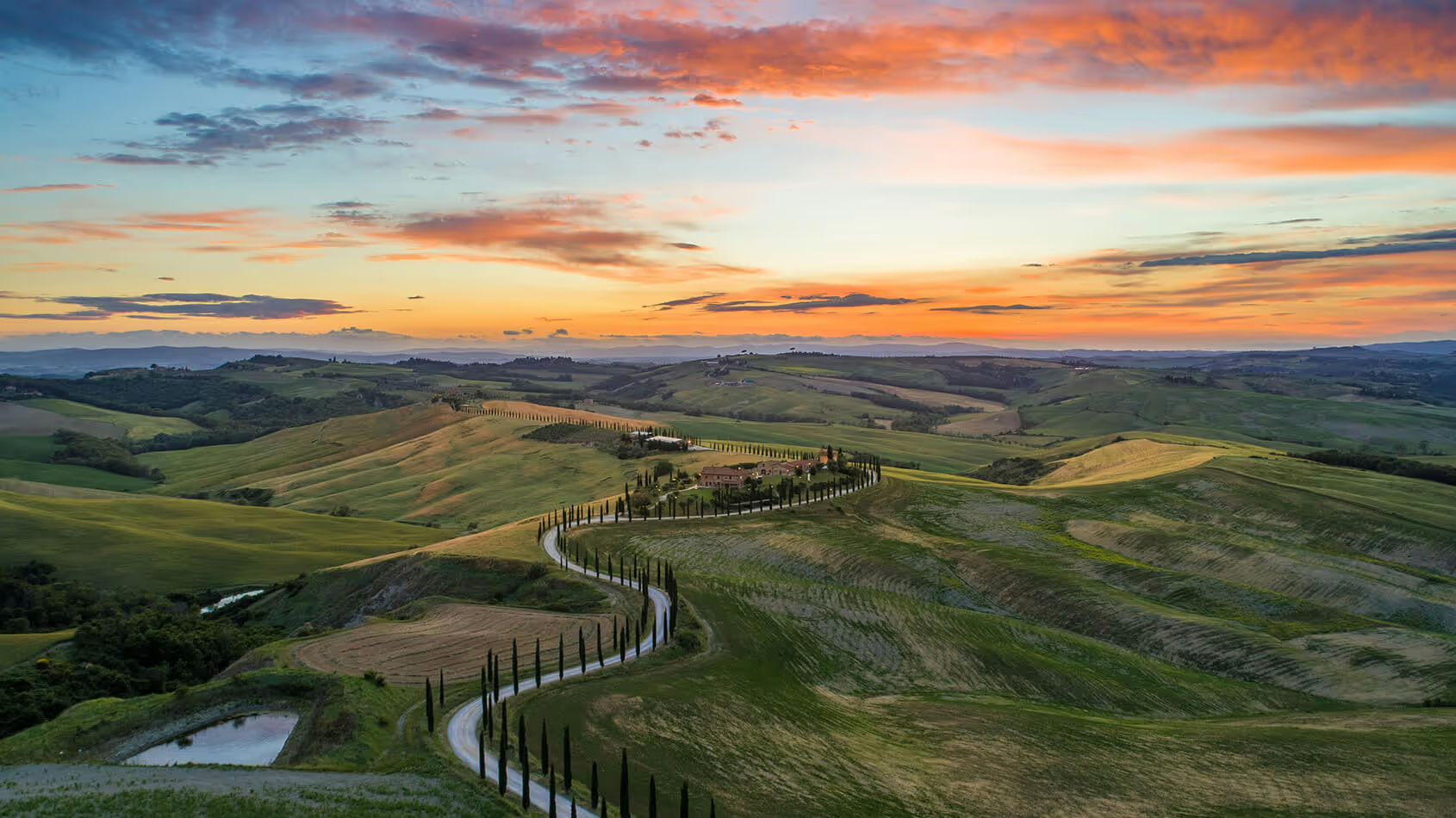
Best Italian Wines: Perfect Pairings with Traditional Dishes

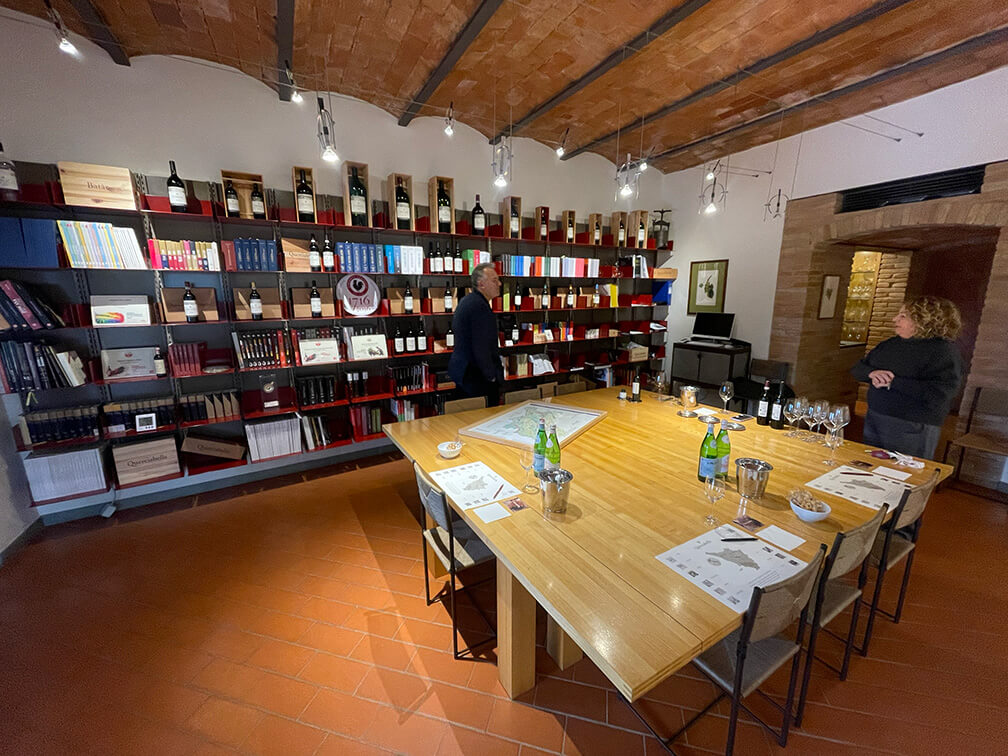
Italian food and wine work well together because they have developed alongside one another. Italian wines match well with tomato sauce, olive oil, herbs, cured meats, seafood, rich cheese, and slow-cooked meat.
Their acidity, tannin, and texture enhance these flavors. This guide makes pairing Italian wines with food simple, whether you are planning a casual pasta night or a full Italian meal.
Why Italian wine pairs so well with food
Italian wine and food pair naturally because both are local and built around balance. Many Italian wines have bright acidity, savory notes, moderate alcohol, or firm structure. That helps them refresh the palate instead of overpowering the dish. Instead of chasing the most expensive bottle, match the wine's weight and flavor to the sauce, cooking method, and main ingredient.
A simple rule works well: pair local with local. Chianti goes with Tuscan ragù, Barolo with Piedmont beef, and Vermentino with coastal seafood. These pairings developed in Italian wine regions. You do not need to be rigid, but regional pairing is a strong starting point.
Core Italian wine pairing rules to remember
Before you look at specific dishes, it helps to know the basics. Italian cooking is ingredient-driven, so the sauce often matters more than the protein. A chicken dish with lemon and capers needs a different wine than one baked with tomatoes, olives, and herbs.
Use these quick pairing cues:
- Acidity with acidity: Tomato-based dishes need wines with enough acidity, such as Chianti, Barbera, or Nero d'Avola.
- Tannin with fat: Rich meats and aged cheeses soften the grip of structured reds like Barolo, Brunello, and a southern red.
- Light with light: Delicate seafood, vegetable antipasti, and simple pastas pair well with crisp whites or lighter reds.
- Sweet with sweet: Desserts need wines that are at least as sweet as the dish, such as Moscato d'Asti or Vin Santo.
- Intensity with intensity: A deeply flavored dish can flatten a delicate wine, while a powerful wine can overwhelm subtle food.
These rules matter more than memorizing labels. Once you understand them, choosing among famous Italian wines becomes easier and more enjoyable.
Classic pasta pairings that rarely fail
Pasta is often the center of a traditional Italian meal, but the right bottle depends on the sauce. For tomato sauces such as marinara, arrabbiata, or Amatriciana, choose a red with lively acidity. Chianti, Barbera, or an Abruzzo red can handle tomato's brightness while adding savory depth.
Creamy pasta dishes like fettuccine Alfredo pair well with wines that balance their richness. Soave, Verdicchio, or a fresh Pinot Grigio can lift the dish without making it feel heavy. If mushrooms are prominent, consider a lighter red like Dolcetto or a graceful Nebbiolo.
Pesto is best with aromatic, herbal whites. Vermentino, Ligurian Pigato, or a crisp Gavi can echo basil, garlic, and olive oil beautifully. For seafood pasta with clams or mussels, pick mineral-driven whites. Good choices are Verdicchio, Vermentino, or Etna Bianco.
Best wines for pizza and rustic dishes
The best wines for pizza and rustic Italian dishes are usually energetic, food-friendly, and not overly polished. Pizza with cheese, tomato, herbs, and cured meats pairs well with a fresh wine that can balance the flavors. Chianti, Barbera, Lambrusco, and Nero d'Avola are excellent choices depending on the toppings.
For a Margherita pizza, a fresh Chianti or lighter Sangiovese works well because it mirrors the tomato and basil. Pepperoni, sausage, or salami toppings can handle a juicier red like Primitivo or an Abruzzo red.
Lambrusco pairs well with cured meats and fried snacks. Its bubbles and acidity refresh your palate, making it a great choice.
Rustic dishes such as lasagna, eggplant parmigiana, and baked ziti also love acidic reds. Avoid overly oaky or high-alcohol bottles here; the dish already has richness. A balanced red keeps every bite lively.
Pairing seafood, poultry, and vegetables
Italian seafood dishes often need wines that feel clean, citrusy, and mineral. Grilled branzino, shrimp scampi, seafood risotto, and calamari go well with Vermentino, Falanghina, Greco di Tufo, or Verdicchio. These whites bring freshness without covering the natural sweetness of seafood.
Wine pairings for chicken and other poultry depend on the cooking method. Lemon chicken, chicken piccata, or herb-roasted poultry pair nicely with Pinot Grigio, Soave, or Fiano. Chicken dishes with tomato sauce pair well with Chianti, Barbera, or Veneto red wines for a lighter option.
Vegetable dishes need careful matching. Artichokes, asparagus, and bitter greens can be tricky, so crisp whites are often safer than tannic reds. For caponata, peppers, or roasted eggplant, try Nero d'Avola, Frappato, or a southern Italian rosato.
Rich meats call for structured reds
Slow-cooked meats, steak, wild boar, lamb, and braised beef are where Italy's more powerful reds come alive. Certain wines from northern Italy, such as Barolo and Barbaresco, pair well with hearty Piedmontese dishes. Brunello di Montalcino is another strong choice for roast meats, aged cheeses, and hearty Tuscan fare.
A southern red from Campania or Lucania brings dark fruit, spice, and structure that suits lamb, grilled meats, and ragù. Amarone can work with intensely flavored dishes, though it is often fuller and richer, so save it for meals with enough depth to match. When discovering Italy's best wines, these reds shine when enjoyed with suitable food to complement them.
South Tyrol wines and the dishes they were made for
South Tyrol (Alto Adige) sits in Italy's far north, tucked against the Austrian border in the Dolomites. Its food is unlike the rest of Italy. Alpine and Austrian traditions shape the menu, so you will find smoked speck, bread dumplings, goulash, and apple strudel next to polenta and pasta. These flavors are very particular, and the local wines are made to match them.
Speck Alto Adige, the region's lightly smoked cured ham, is the place to start. Pair it with Schiava (also called Vernatsch), a light, low-tannin red with notes of cherry and almond. It is just as good with Knödel, the bread dumplings often made with speck or cheese, and with a Marende board of cured meats, mountain cheese, and crisp rye bread.
For heartier dishes like goulash, venison, or roast pork, reach for Lagrein. This native red is deep in color, with dark berry and cocoa notes and soft tannins that stand up to slow-cooked meat and rich gravy. Schlutzkrapfen, half-moon ravioli filled with spinach and ricotta and finished with browned butter and Parmesan, call for a white instead. Pinot Bianco or a crisp Sylvaner from the Eisack Valley cuts through the butter without hiding the delicate filling.
Gewürztraminer takes its name from the village of Tramin in South Tyrol. Its aromas of rose, lychee, and spice suit smoked dishes and strong mountain cheeses. In spring, white asparagus with Bozner sauce, a tangy egg and chive sauce, is a seasonal favorite with Sauvignon or Pinot Bianco. To finish, pair apple strudel or Kaiserschmarrn with a sweet Goldmuskateller or Moscato Rosa.
If you visit in autumn, look for Törggelen, a local tradition where farmhouses serve new wine, roasted chestnuts, and hearty dishes after the harvest. It is one of the best ways to see how closely food and wine are tied together in this corner of Italy. Kefi Tours' Merano trip takes you into the heart of South Tyrol, with a visit to an 800-year-old winery, lunch at a traditional mountain hut, and a day in the Dolomites.
Is there one best Italian wine for every meal?
No single best Italian wine for every meal exists, as Italian food is too varied for one bottle to do everything. The best wine in Italy for your table is the one that fits the dish, the occasion, and your taste. A humble regional bottle can be a better match than a prestigious wine if it brings the right balance.
For flexible choices to keep on hand, consider these dependable options:
- Chianti or other Sangiovese-based red for tomato sauces, pizza, roast pork, and Tuscan dishes.
- Barbera for pasta, charcuterie, and weeknight meals that benefit from Barbera's acidity and fruit.
- Vermentino or Verdicchio for seafood, herbs, vegetables, and lighter appetizers.
- Prosecco or bubbly for an aperitif, fried bites, and celebratory starters.
- Moscato d'Asti or Vin Santo for fruit desserts, biscotti, and sweeter endings.
These may not always be the most famous wines, but they are practical, enjoyable, and widely useful. They are also among the top wines in Italy for easy food pairing.
A simple pairing checklist for your next Italian meal
When choosing among Italian wines, pause for a moment and look at the plate. The main ingredient matters, but the sauce, seasoning, and texture usually decide the pairing.
Use this checklist:
- If the dish has tomato, choose a wine with bright acidity.
- If the dish is creamy or cheesy, choose freshness, bubbles, or gentle structure.
- If the dish is grilled or braised, consider a deeper red with tannin.
- If the dish is seafood-based, start with crisp whites or coastal styles.
- If the dish is salty or fried, try sparkling wine or a lively red.
- If the dish is sweet, choose a dessert wine rather than a dry table wine.
This approach keeps pairing relaxed. You are not trying to pass a test; you are trying to make both the food and the wine taste better.
Come taste the best Italian wines in Italy with us!
In 2027, we will embark on a wine tour. It will begin in Piemonte's Langhe, famous for its stunning landscapes, and end in the Chianti region, renowned for its wineries and vineyards. If you're a woman looking for a wonderful luxury retreat that includes savoring many Northern Italian wines, we are the travel group for you. We promise an experience you cannot forget!
Related Articles
Browse our latest articles to find practical guidance, insider insights, and inspiration for your next adventure.


Join Us On Our Next Adventure
We create deeply curated experiences through Northern Italy for warm, grounded women who value connection and curiosity. If this sounds like you, we would love to have you along!